Verified · Secure · Scalable

The decentralized data center for the world.

Every GPU on this grid has proved it is real — and has to keep proving it, every day, or it stops existing here. Rent that compute by the second, or put your own hardware to work.

Monad Proof-of-compute attested 72-hour liveness rule Bonded & slashable

The model

A GPU has a soul and a body.

One half is welded to the machine and can never be sold. The other half is a licence anyone can buy. Together they turn a card sitting in a rack into something the world can rent — and something you can own a piece of.

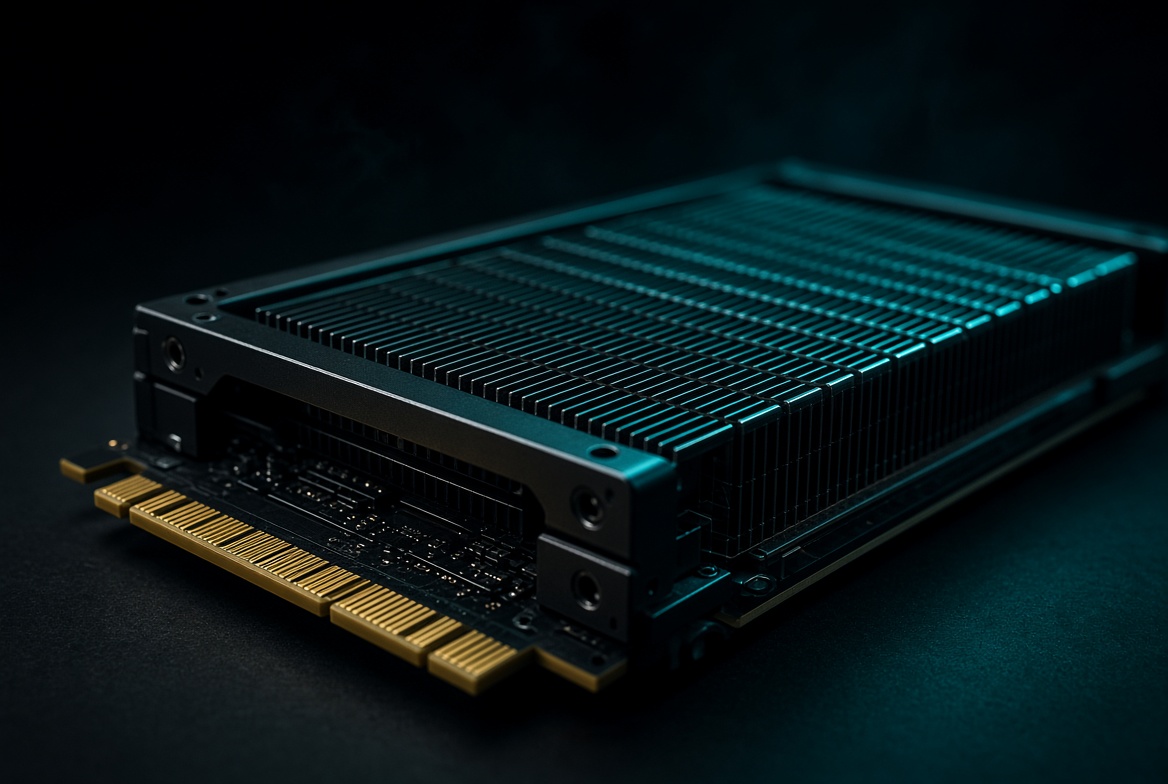
Close-up of a datacenter GPU accelerator card
SOUL · soulbound

The identity, bolted to the silicon

Minted only after independent attestors watch that exact card pass a timed proof-of-compute. Non-transferable, forever. It carries the hardware's reputation, its uptime record, and the stake behind its promises — and it dies if the machine stops answering.
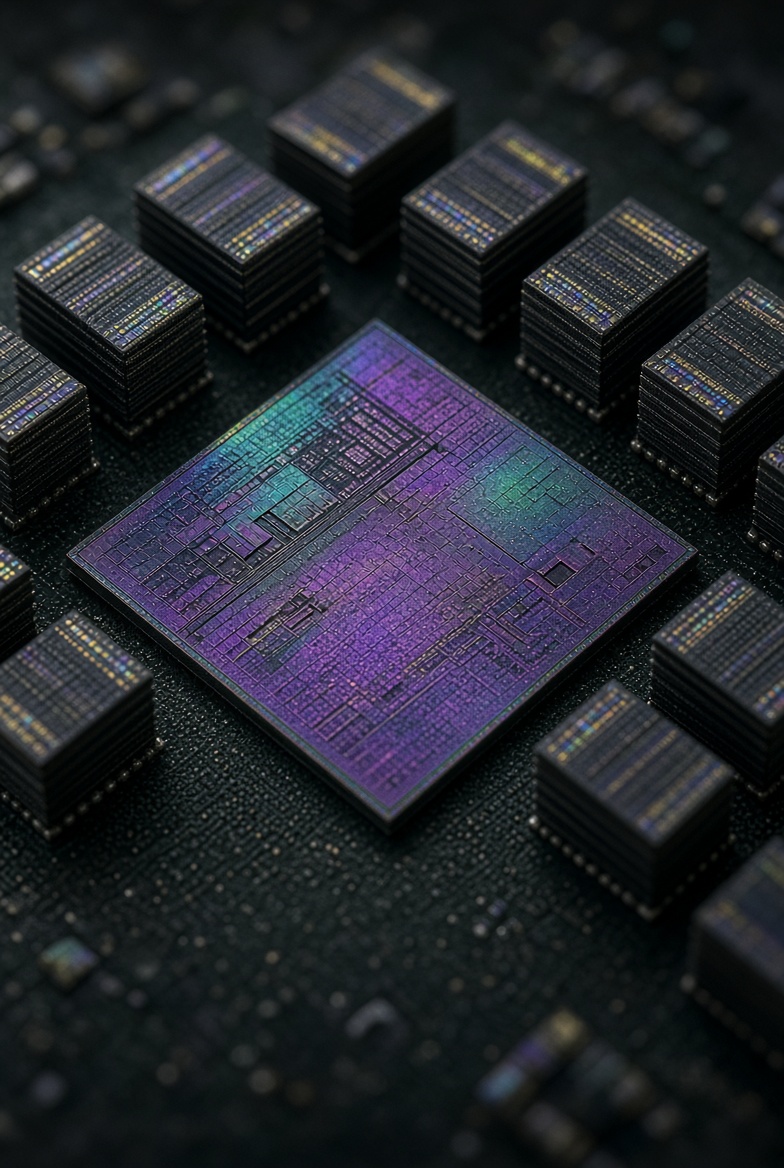
Macro photograph of a GPU die and its memory stacks
SHELL · tradeable

The body, for rent and for sale

A licence over a slice of what that GPU earns. Buy it, sell it, hold it for yield, or redeem it for compute time on the card itself. The provider keeps the clear majority of every job — that is a cap in the contract, not a policy.

Verification

Anyone can claim an H100. Very few can prove one.

Enrolling means answering a challenge nobody could precompute: multiply two large matrices derived from a random seed, inside a deadline set by the class of card you say you have.

The check costs the network almost nothing — two passes over the result rather than redoing the work — but faking it costs exactly as much as doing it honestly. Claim a stronger card than you own and the clock catches you. Answer for twenty cards with one, and it catches that too.

Silence before a soul expires
Protocol fee at launch
Kept by the provider
Contract tests, all green
A dark data hall aisle lined with server racks

Liveness

Dead hardware does not get to keep its identity.

A machine signs a proof of life with a key that lives on the box itself — never the owner's wallet. Each proof commits to a recent block, so a month of them cannot be signed in advance and dripped out from a machine that is switched off.

0hProven Heartbeat lands. Bookable, earning, and shown online.
12hStale Past the freshness gate. No new jobs, but the identity holds.
48hLapsing Warned. The operator gets a nudge; nothing punitive yet.
72hExpired The soul stops being live the moment the clock passes — no keeper needed. The fingerprint is freed for whoever holds that card next.
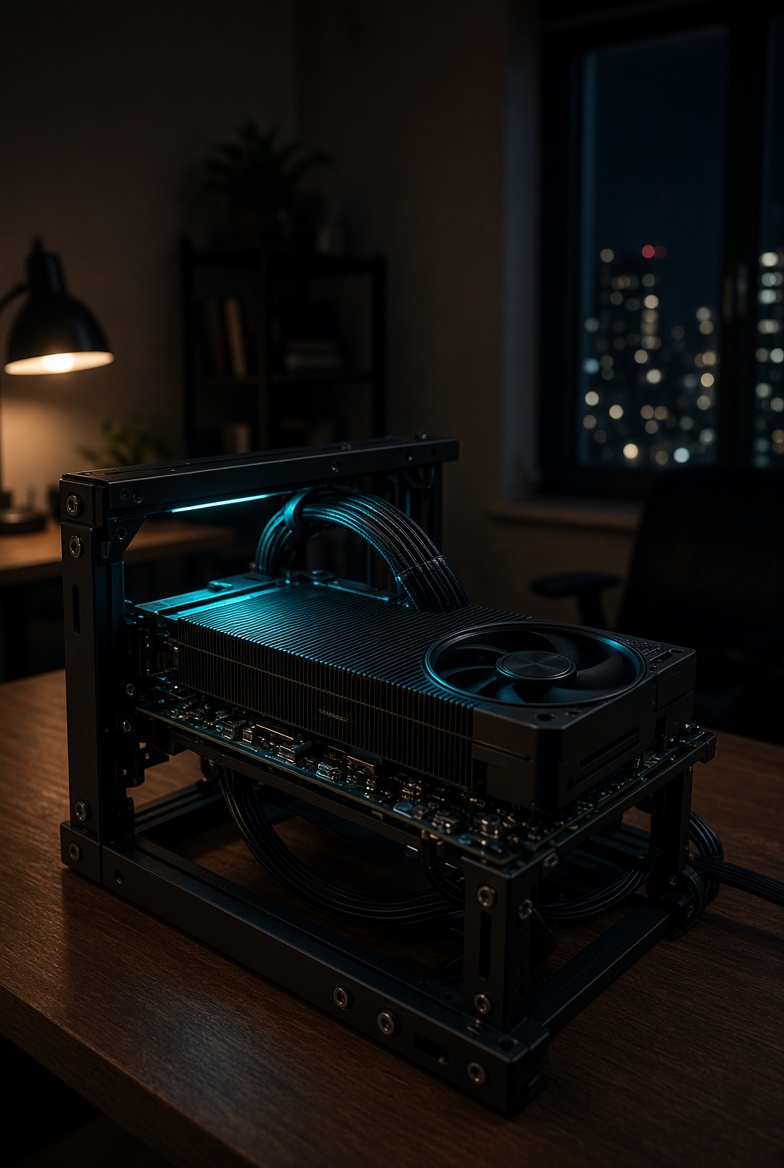
A single graphics card on an open test bench in a dark home office

For providers

One card in a spare room is a data center too.

The grid does not care whether your GPU sits in a rack in Frankfurt or on a bench next to your desk. It cares that the card is real, that it answers, and that there is a bond behind the promise.

  • Your wallet never has to live on the machine — the box holds a key that controls no money.
  • Behind a home router? The agent dials out; no ports to open.
  • Minting locks a MON deposit that is staked and returned — a cost to fake, not a fee to pay.
  • Sell up to a quarter of your future revenue as licences and keep running the card.

Economics

The circle closes on $WRAITH.

Three revenue lines, and only one of them needs the grid to be busy. Fees come from jobs; staking yield accrues on every mint deposit whether a card is rented or idle; licences are capacity bought forward. All three end at the same place.

01 · Demand

Renters escrow stablecoins for GPU time. The protocol takes 2.5%.

02 · Float

Every minted soul locks MON. It is staked, and the yield belongs to the protocol.

03 · Buyback

Fees and float route to the treasury and buy $WRAITH on the open market.

04 · Emissions

Paid back out to providers proving uptime and renters spending — who supply and consume compute.

Where value comes fromDenominated inDepends on utilisation?
Protocol fee on settled jobsUSDCYes
Staking yield on mint depositsMONNo
Compute licence salesWRAITHNo
Secondary licence royaltiesanyNo

Buybacks convert usage into token demand. They are a mechanism, not a promise about price.

Compute you can verify. Hardware you can own.

The grid is open to providers now, and to renters the moment there is capacity worth renting.